Guide: Choosing a Neo-Retro Motorcycle for Commuting
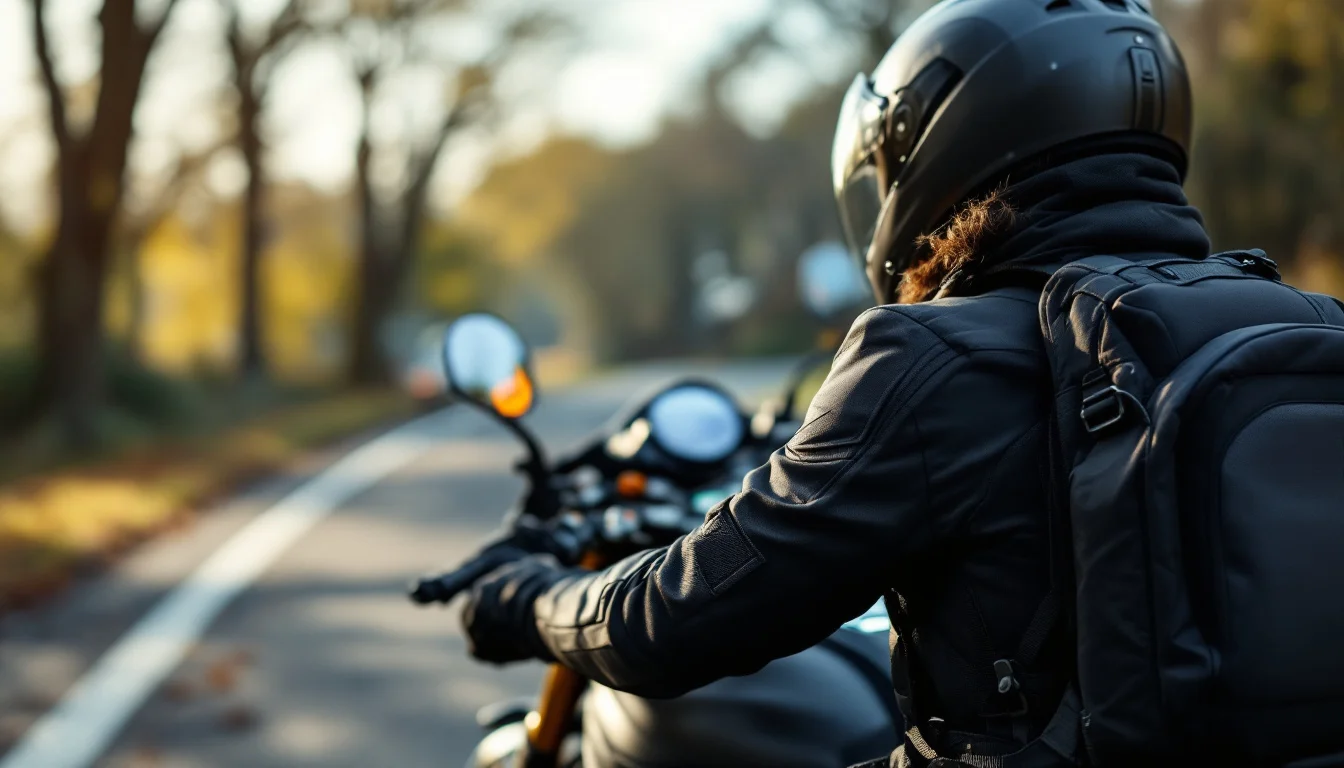
The alarm rings early, the temperature is low, and the prospect of facing the morning traffic jam is far from a Sunday stroll. For many enthusiasts, the ideal solution is on two wheels. But does this mean sacrificing your style on the altar of urban practicality? Many manufacturers pitch "commuter" motorcycles as the ideal choice for short city trips, boasting three main advantages: fuel efficiency, easy maintenance, and affordability.
However, opting for a vintage design on a daily basis raises genuine ergonomic and technical questions. Today’s commuter is looking for a machine that is easy on the eyes while delivering solid reliability. Striking a balance between the maneuverability of a small displacement engine and the reassuring versatility of a more muscular motor is a delicate act. This guide explores the key criteria for turning a retro-looking ride into a true urban mobility tool, ensuring your morning commute doesn't turn into an endurance test.
Key Takeaways:
- Engine Size: 150cc for dense city centers; 250 to 500cc for commutes involving ring roads or motorways.
- Active Safety: ABS is a must-have to prevent wheel lock-up on slippery surfaces.
- Ergonomics: A neutral riding position and a seat height that allows you to plant at least one foot flat on the ground are vital for city riding.
- Practicality: Adding storage (like a top box or panniers) often means compromising on the clean lines of a retro aesthetic.
Which Engine Size is Right for Your Urban or Suburban Commute?
When it comes to choosing the engine for a classic-style ride, expert recommendations can often seem contradictory. On one hand, the Asian market pushes 150cc engines as the perfect fit for dense city centers. On the other hand, motorcycle training experts suggest starting with a 250 to 500cc engine for a first motorized two-wheeler, offering enough power without being overwhelming. The key to resolving this conflict lies in taking a hard look at your daily route.
For daily commuting, these experts recommend a comfortable, fuel-efficient motorcycle, pointing to mid-size roadsters or scooters as the most suitable options. Ultimately, the right choice boils down to your specific riding environment.
| Machine Profile | Built-in Storage | Urban Transmission | Ideal Environment |
|---|---|---|---|
| Vintage Scooter (e.g., Cappucino 150 (SA03A)) | Spacious | Belt CVT | Dense city center |
| Modern Mini-Roadster (e.g., Mini Elite) | - | Manual / Fuel Injected | City and short suburbs |
| Classic Roadster (250-500cc) | None | - | Ring roads and boulevards |
The Scooter Approach: The Best Tool for the City Center?
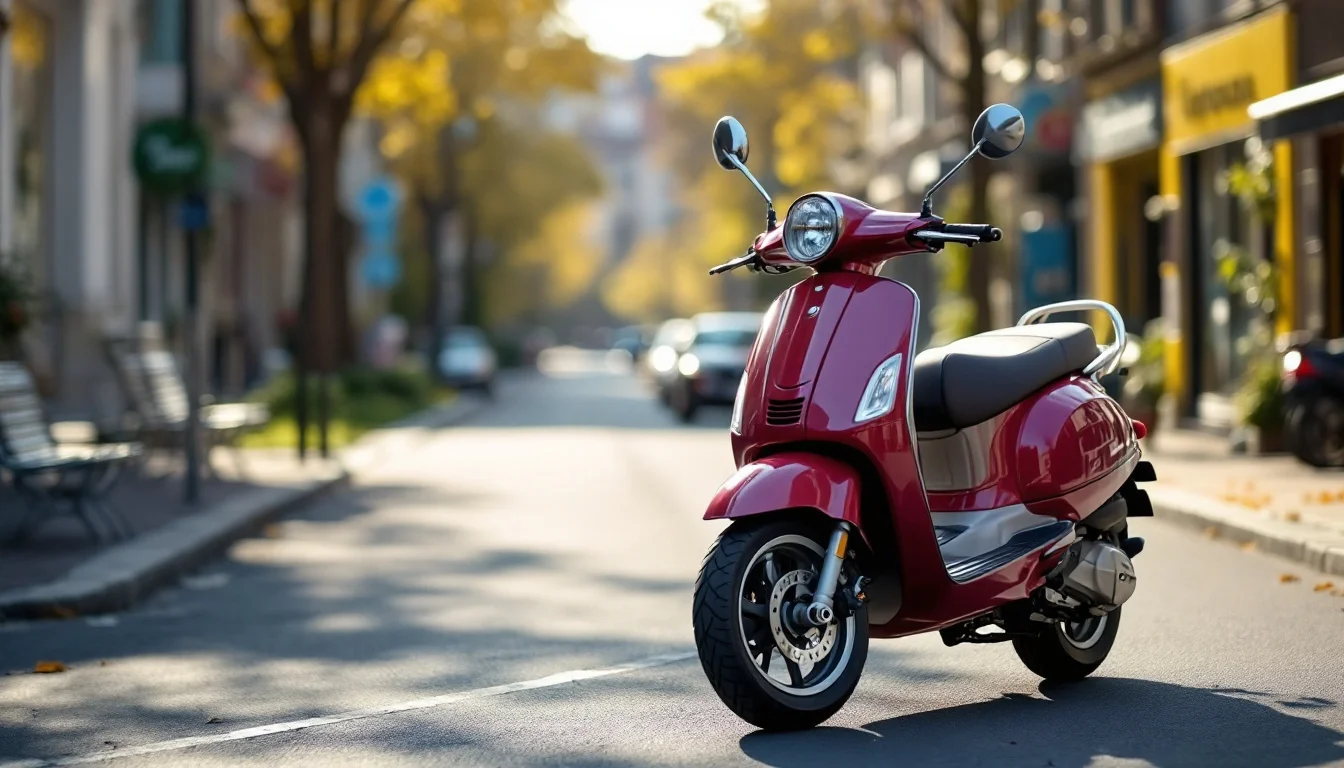
For those whose commute is a relentless succession of red lights and narrow streets, the urban scooter makes a lot of sense. The Cappucino 150 (SA03A), for example, is described as a machine boasting an Italian retro design alongside a belt-driven CVT. Equipped with alloy wheels and ample storage space, this setup completely eliminates the need to manage a clutch. The CVT allows you to focus solely on navigating heavy traffic, while the small wheels provide the snappy agility needed to weave through cars at low speeds.
The Mini-Roadster: Blending Agility with Motorcycle Dynamics
If you prefer the ergonomics of a motorcycle but want to retain the agility of a scooter, alternatives do exist. Models like the Mini Elite 150 combine liquid cooling, electronic fuel injection, a short wheelbase, oversized tyres, and a multi-function LCD dashboard. Often praised as a marriage of retro aesthetics and modern practicality, its short wheelbase is a major asset for filtering, while the electronic fuel injection delivers zippy responsiveness.
The Mid-Size Roadster: Why Prioritize Suburban Reach?
As soon as your route includes ring roads, motorways, or long, open avenues, the lack of top-end speed on a 150cc can become frustrating, or even unsafe. This is where the case for a larger engine truly shines. A classic roadster in the 250 to 500cc range allows you to safely merge into fast-moving traffic while still forgiving throttle-control errors thanks to manageable power delivery. It is a highly practical compromise for suburban commuters.
Which Safety and Ergonomic Features Are Essential?
Falling in love with the lines of a 1960s machine is one thing, but riding every day demands modern standards. A retro look no longer justifies compromising on active safety and ergonomics.
Which Rider Aids Should You Prioritize?
The trope of the temperamental vintage bike with sketchy brakes belongs in the past. Today's manufacturers emphasize that the introduction of ABS and improved suspension systems have made commuter motorcycles safer and more comfortable for everyday use. Braking assistance is absolutely critical: locking up the front wheel on wet cobblestones or tram tracks can be disastrous for a city rider. Modern suspensions guarantee grip by keeping the tyre firmly planted on the ground, a vital component for absorbing urban bumps and ensuring stability during braking.
How Do Weight and Height Affect Maneuverability?
In an urban setting, the weight of your machine directly dictates how fatigued you'll feel by the end of the week. Riding professionals point out that a lighter two-wheeler is vastly easier to maneuver, particularly at low speeds.
Beyond raw weight, the accessibility of the bike is fundamental to rider confidence in heavy traffic:
- Seat height must allow you to plant at least one foot flat on the ground for stability.
- This firm footing is vital for frequent stops or when backing the bike into a tight, sloping parking spot.
What is the Best Riding Position for Endurance?
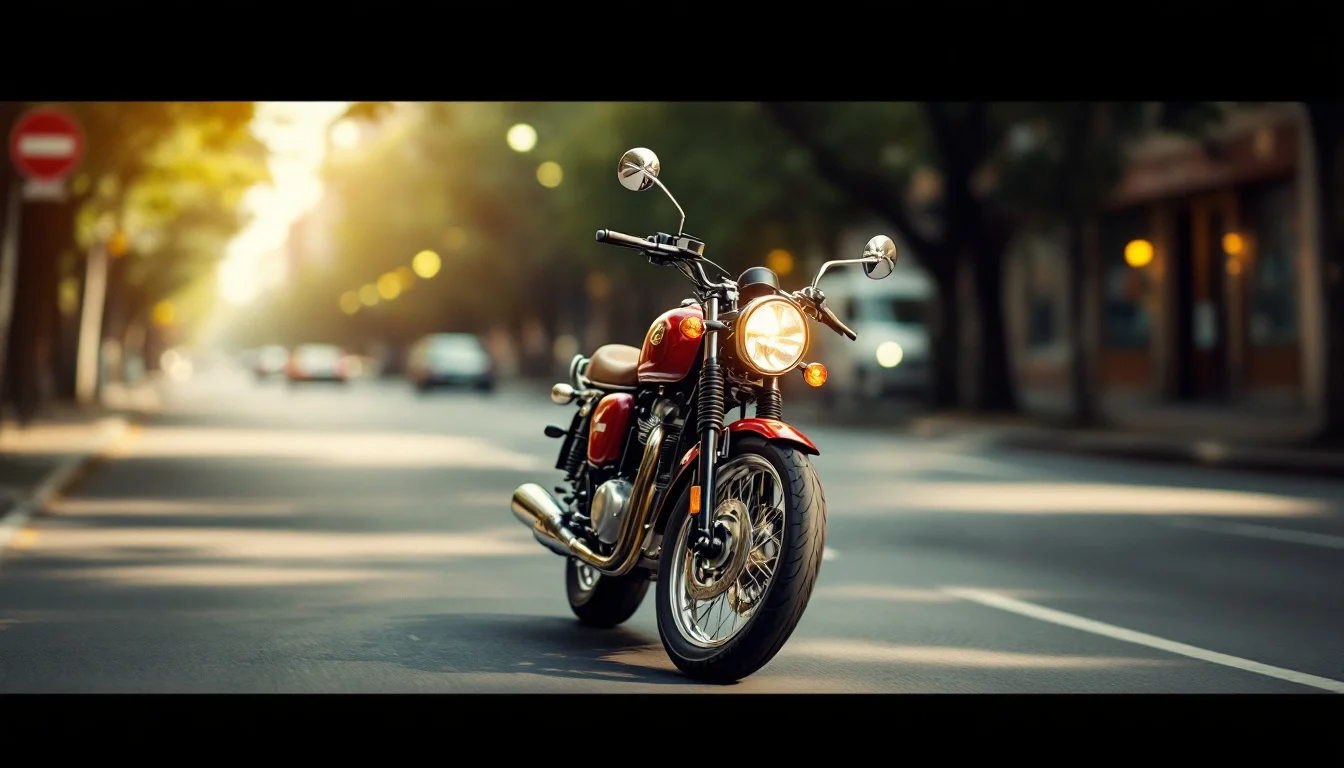
The café racer style, with its low clip-on handlebars and rear-set footpegs, is undeniably visually appealing. However, instructors are quick to point out that a neutral riding position is much more comfortable and offers greater control. Keeping your back straight, arms slightly bent, and head up allows you to anticipate traffic, take the pressure off your wrists, and arrive at the office without muscle tension.
How Should You Handle Daily Reliability and Maintenance?
A motorcycle used for the daily commute undergoes significantly harsher treatment than a weekend joyride machine. Maintenance therefore becomes a core purchasing criterion, extending far beyond simple aesthetics.
Why is a Solid Service Network Crucial?
Breaking down is an annoyance, but waiting months for a spare part is a nightmare. For upkeep, it’s highly recommended to choose a brand with widely available spare parts, accessible service centers, and robust technical support. A commuter should view the dealer network as an extension of the vehicle itself: the ability to have the bike serviced quickly and to replace wear-and-tear parts without delay is critical to keeping your daily routine running smoothly.
How Can You Add Storage to a Neo-Retro Bike Without Ruining Its Looks?
One of the biggest challenges with classic motorcycles is their severe lack of built-in storage. How do you transport a laptop, a lock, and rain gear without destroying the minimalist aesthetic of your ride?
How Should You Equip Your Bike for the City?
Manufacturers have zeroed in on the specific needs of commuters. Gear specialists list the following accessories as highly useful for daily riding:
- A smartphone mount or Bluetooth intercom, essential for urban navigation and on-the-go communication.
- An extra storage box or top case, which solves the thorny issue of secure storage.
- A waterproof cover, indispensable for protecting your bike's finish when parked outside for extended periods.
What is the Best Visual Compromise?
Mounting an extra top case often highlights the great neo-retro dilemma: while highly practical for stashing your helmet after a ride, it inevitably breaks the sleek lines of the motorcycle. Many commuters instead opt for middle-ground solutions, such as leather or waxed-canvas saddlebags. These integrate much better with the vintage vibe while still offering a decent cargo capacity. As for the waterproof cover, it extends the lifespan of the chrome and exposed parts against the city’s harsh elements, ensuring your machine retains its flattering aesthetic year after year.
Conclusion
Decision Checklist for the Urban Commuter:
- Route: What is your daily distance and the type of roads you take (city streets vs. ring roads)?
- Practicality: What are your actual storage needs (built-in or added accessories)?
- Ergonomics: Does the seat height allow you to put at least one foot flat on the ground?
- Safety: Is the model equipped with ABS?
- Maintenance: Is the dealer network easily accessible?