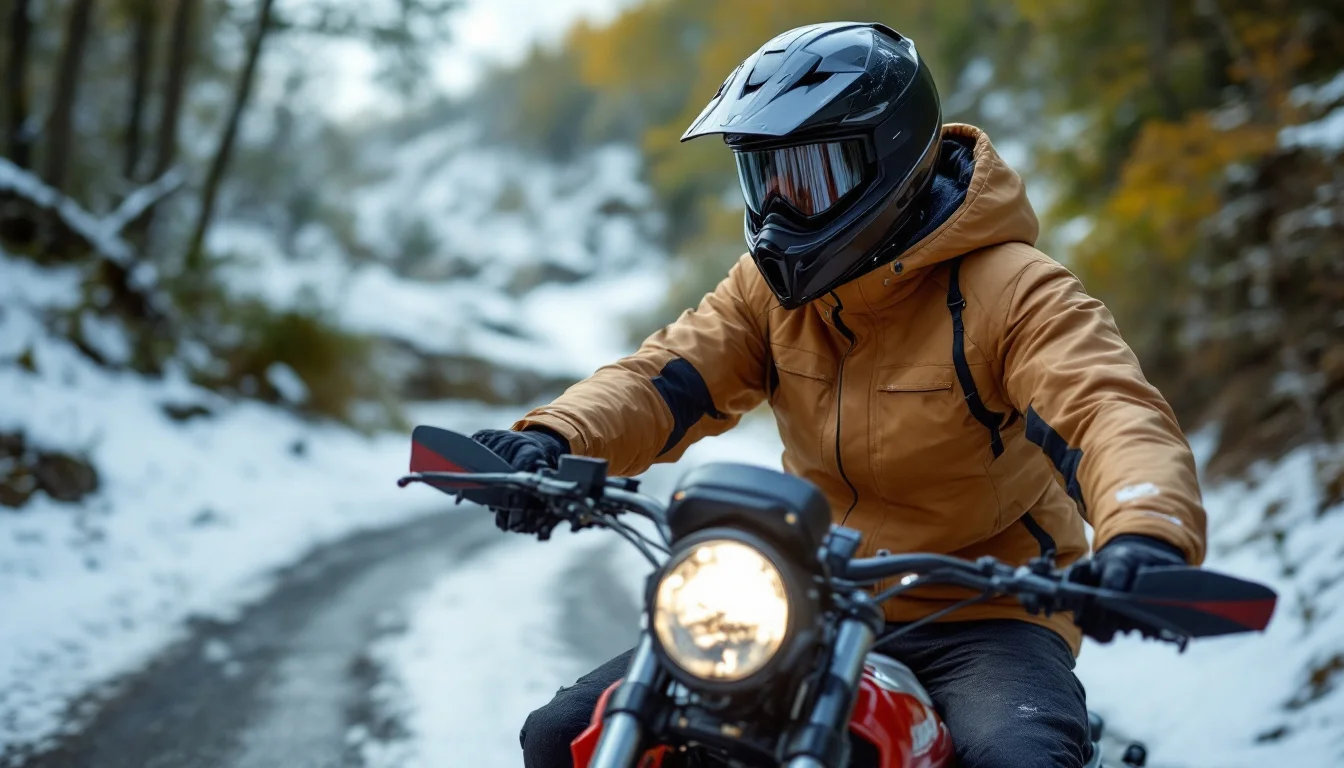
Motorcycle Goggles vs. Helmet Visors: When to Wear What and Why
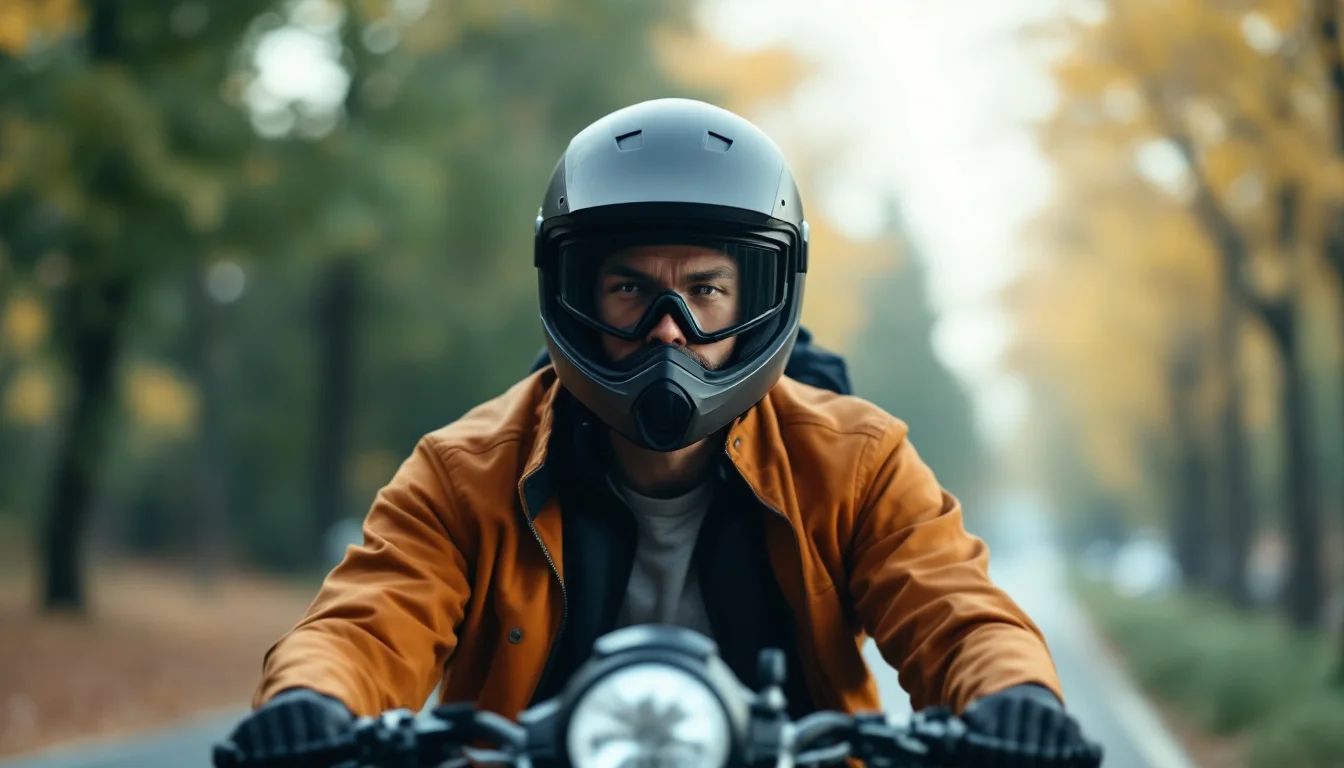
The retro look of an off-road helmet paired with aviator-style goggles is gaining serious traction on urban commutes. Stopped at a red light, this setup boasts undeniable aesthetic appeal, often associated with scrambler-style motorcycles. However, fashion goggles, which lack proper impact protection, are no substitute for a dedicated visor or motocross goggles. Behind the polished look lies a harsh physical reality every Belgian motorcyclist and scooter rider must face: the asphalt and the weather make no compromises for style.
Understanding the mechanics of your gear is crucial. The debate between using goggles and a standard helmet visor goes far beyond mere visual preference. It is a genuine technical trade-off between specific sealing capabilities and ballistic protection.
Clarifying the terminology: In this guide, the term "visor" (or face shield) refers to the shield integrated into the helmet, while "goggles" (or masks) refer to off-road gear featuring a foam seal.
At a Glance
- Helmet visor: Recommended for road and urban use (comprehensive protection, shields against cold and rain).
- Goggles: Ideal for off-road riding thanks to their dust-sealing capabilities.
- Full-face helmet: Essential for complete thermal and ballistic facial coverage.
Visor or goggles: Which offers better protection at high speeds?
A motorcycle helmet operates in a demanding environment where speed turns the smallest piece of debris into a projectile. In this context, a helmet visor is not just a windshield for comfort. It serves as the first line of defense in a complex facial protection system.
How is a motorcycle helmet visor tested?
Helmet face shields undergo projectile resistance testing, typically using a steel ball fired at high speeds to simulate the impact of a small stone.
On a highway or ring road, a motorcycle's speed combined with that of kicked-up debris can result in extremely high-energy impacts. A quality visor ensures the polycarbonate will dissipate the kinetic energy without shattering. This rigorous level of ballistic resistance is something standard comfort goggles simply cannot provide across the same surface area.
How much of the face is protected?
Safety is also measured by the extent of the protected area. According to gear manufacturers like Jiepolly, a full-face helmet with a visor protects the entire face—eyes, cheeks, and chin—from wind, rain, and debris. This continuous coverage prevents cold air infiltration and protects the cheekbones and jawline from gravel impacts.
Closed-system protection
The primary advantage of an integrated face shield lies in its cohesive design with the helmet shell. According to manufacturer Caberg, the visor is engineered as a core component of a closed ecosystem. The hinges, central locking mechanism, and pull-off resistance work in tandem, offering the urban rider a unified structure against the road's unpredictable hazards.
Why choose motorcycle goggles for off-road riding?
While the full face shield dominates on high-speed asphalt, motorcycle goggles offer distinct advantages in specific environments. They were born not out of an urban fashion trend, but from a mechanical necessity on unpaved trails.
Structural necessity
Certain protective architectures actually require the use of goggles. A motocross (off-road) helmet features a fixed chin bar but no visor; therefore, wearing motocross goggles alongside the helmet is mandatory. This open space is designed to maximize oxygen intake during intense physical exertion off-road.
The dust barrier
The main strength of goggles lies in their anatomical design. Motorcycle goggles provide a secure seal around the eyes, protecting them from wind, dust, debris, and insects. Thanks to a dense foam lining that molds to the contours of the face, micro-particle-laden air cannot bypass the lens. During enduro riding or on dry summer dirt trails, this seal prevents riders from being blinded by the dust kicked up by others—a technical feat that standard helmet visors struggle to achieve due to internal airflow.
The winter weakness
When carried over into winter urban traffic, however, these qualities turn into vulnerabilities. Goggles only protect the eyes, leaving the lower half of the face exposed to the elements—a major drawback in cold or wet weather. On boulevards swept by icy winds or in driving rain, the exposed skin between the edge of the goggles and the chin bar bears the brunt of the harsh weather, quickly turning a daily commute into a miserable experience.
Helmet visor or goggles: How to choose based on your usage?
The ultimate choice depends directly on your riding scenarios. As a general rule for riders, goggles are recommended for off-road environments where dust and debris are prevalent, while a full visor is preferred for cold, wet, or muddy conditions.
Beyond this general guideline, it is worth comparing the three main configurations available on the market against a set of strict criteria.
| Technical Criterion | Full-Face Helmet with Visor | Modular Helmet | Motocross Helmet + Goggles |
|---|---|---|---|
| High-speed protection | Complete ballistic shield | Hybrid safety | Limited to the eye area |
| Thermal & weather management | Full face protection | Flexible urban adaptation | Lower face exposed |
| Dust sealing | Basic (internal airflow) | Basic | Maximum (foam seal) |
| Sun glare flexibility | Internal sun visor | Internal sun visor | Goggle swap required |
What is the advantage of a modular helmet in the city?
Modular helmets offer a flexibility that is highly appreciated in urban settings. Although their design allows you to use the main visor with the chin bar raised, the level of protection in the open position is significantly lower than when it is closed. It is important to remember that a modular helmet only provides complete protection when closed: the chin bar must be locked down while riding.
How do you handle changes in lighting?
When dealing with fluctuating light conditions, an integrated face shield holds a major practical advantage. Many visor-equipped helmets feature a drop-down internal sun visor, eliminating the need to mess with sunglasses or a separate tinted shield.
What are the challenges with fogging and tinted visors?
In physics, the perfect piece of gear does not exist: sealing a space to keep the cold out inevitably restricts the escape of body moisture.
The condensation dilemma
The tight seal of goggles comes at a thermal cost. Goggles are prone to fogging, particularly in damp or cold weather, which can severely impair visibility. While full-face helmet visors combat this same issue using internal anti-fog lenses (like Pinlock systems), motocross goggles rely heavily on ambient airflow. In heavy urban traffic, moving at low speeds in the rain, this lack of active ventilation quickly turns goggles into a visual hindrance.
The limits of dark tints
Filtering light raises serious concerns regarding nighttime safety. Using heavily tinted shields or mirrored goggles drastically reduces contrast after dusk, compromising your ability to spot pedestrians or road markings.
Frequently Asked Questions (FAQ)
Do motocross goggles offer the same UV protection as a drop-down sun visor?
Polycarbonate lenses generally filter out a significant portion of UV rays. The exact level of protection varies depending on the specific model and lens treatment; it is always advisable to check the manufacturer's specifications before purchasing.Is it technically possible to wear goggles under a full-face helmet that has had its original visor removed?
While it is physically possible if the eye port is wide enough, replacing a structural component with a separate accessory exposes your face to ballistic risks.Conclusion: Beyond Aesthetics
The evolution of optical materials is helping to minimize these gear dilemmas. The growing integration of photochromic lenses, which automatically adapt to ambient light, presents an appealing alternative. However, their performance can be hindered by temperature changes or the UV-filtering properties of motorcycle windshields, and their transition times are sometimes too slow for abrupt changes in lighting. In the face of ballistic imperatives and local weather challenges, a technical understanding of face shields confirms that riding on the road demands appropriate gear, far beyond simple considerations of style.