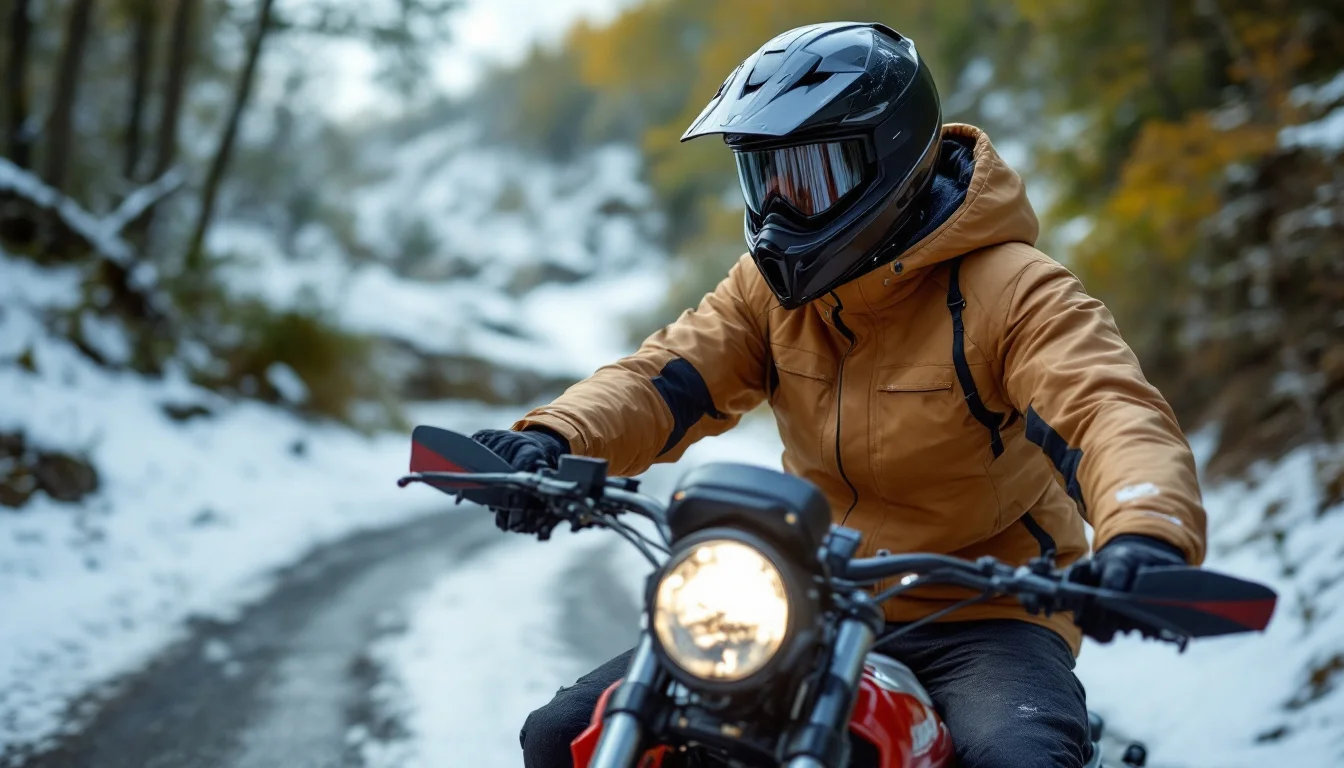
Reinforced Motorcycle Jeans, Overpants, or Civilian Pants
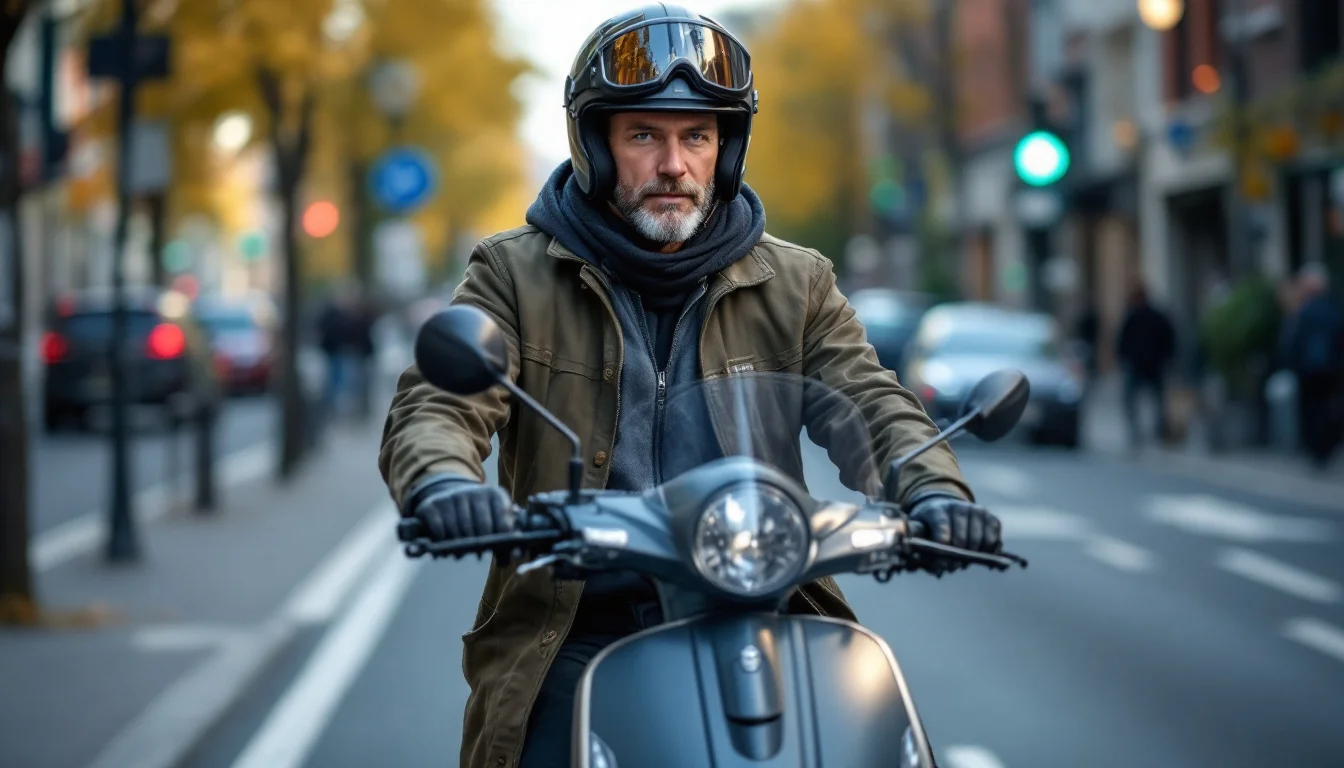
Commuting to work by motorcycle or scooter presents a complex equation: how do you balance the essential protection needed for urban traffic, the unpredictability of often-wet weather, and the unspoken rule of showing up to the office looking sharp? It's no longer just a matter of safety on the asphalt; it's a true logistical transition.
When it comes to leg protection, daily commuters are often divided into two camps. On one side are those who favor an integrated approach, seeking gear that seamlessly blends into a professional environment without requiring a trip to the locker room. On the other side are those who embrace external armor, designed to be shed as soon as the engine is turned off. Understanding the thermal, ergonomic, and safety benefits and limitations of each option is key to maximizing your daily comfort on two wheels.
Key Takeaways
- The logistical compromise: Reinforced jeans offer continuous aesthetic camouflage, while overpants require a quick disrobing routine upon arrival.
- Water management: In unpredictable weather, single-layer denim textiles show their limits, whereas the waterproof linings of overpants provide a highly effective alternative.
- Safety: Urban gear must ensure the overall structural integrity and durability of the garment, going well beyond the mere inclusion of impact armor.
Why Are Civilian Pants or Workwear Not Enough for Riding?
The idea of riding in a simple, sturdy pair of work pants is a common temptation for new two-wheelers. Visually reassuring, the thick fabric seems to offer a sufficient barrier for short, low-speed trips. However, transposing the demands of a construction site to the reality of city streets exposes the rider to very real drawbacks, both physically and professionally.
The Physical Limits of Standard Fabrics
It's true that a pair of work pants, particularly high-end Japanese workwear, might seem suitable for very low-speed urban riding. However, this type of clothing is absolutely no substitute for proper motorcycle protective gear. The mechanical resistance of standard canvas is calibrated for daily friction, not the kinetic energy of a motorized crash.
Cotton, whether heavy canvas or thick twill, holds up well to the wear and tear of manual labor. But against asphalt, its composition becomes a liability. During a long slide on the road, cotton tends to shred rapidly under friction rather than resisting abrasion. Beyond skin abrasions, civilian pants have typical failure points upon impact—seat or inseam stitching, fabric tearing at the knee, and exposed ankles as the pant leg rides up—whereas purpose-built textiles are engineered to hold together.
The Impact on Your Workday
Beyond safety concerns, work pants or standard denim fail miserably when it comes to weather management. Cotton absorbs rainwater like a sponge. The wet fabric becomes heavy and slow to dry, which is notoriously unpleasant. For an office worker, this means sitting in cold, damp clothes for hours in an open-plan office, making for a distinctly uncomfortable workday.
Are Motorcycle Jeans Safe Enough for the City and Comfortable Enough for the Office?
To avoid the racer look while maintaining genuine protection, motorcycle jeans allow you to maintain a completely standard civilian appearance while hiding advanced protective technology beneath the surface.
Deceptive Yet Effective Aesthetics
Motorcycle jeans are designed to look exactly like ordinary denim. Behind the scenes, however, they conceal a complex architecture. They are reinforced with highly abrasion-resistant materials like Kevlar or Cordura, either woven directly into the fabric or sewn in as internal panels. Added to this is armor designed to absorb impact at the knees and hips.
The main advantage of this design is its discretion. These jeans are comfortable and stylish enough to be worn all day long, blending naturally into an office environment.
Thermal and Financial Trade-Offs
This versatility comes with a few concessions. While motorcycle jeans are breathable and particularly well-suited for warm weather—especially single-layer versions or those lined with ventilated mesh—most are not waterproof. It is often necessary to pack additional rain gear when the weather turns wet.
Furthermore, motorcycle jeans are not designed to be layered over other pants. If you want to remove the internal armor for more flexibility once at the office, some models require you to completely take off the pants to access the armor pockets. Finally, achieving the perfect balance of a thin fabric, high abrasion resistance, and impeccable style requires advanced textile engineering; as a result, premium models can be pricey, representing a significant initial investment for the daily commuter.
What Gear Should You Choose for a Short Commute in the Rain?
When the daily commute involves unpredictable weather or your company's dress code calls for strict formality (like a tailored suit), overpants become an essential tool for urban mobility.
A Dedicated Weather Barrier
The primary function of overpants is to fully preserve the civilian clothing worn underneath. They are specifically designed to be worn over your regular clothes. To fulfill this mission, they generally feature windproof and waterproof linings, as well as zippers or Velcro systems for easy on-and-off.
In the face of unpredictable weather, this insulation is vital. Overpants block moisture before it can reach the professional attire beneath. Their design allows them to be quickly slipped on or off in the parking lot or the building's entryway, even while keeping your boots on, thanks to wide lateral openings.
Usage and Layering Strategy
Opting for overpants aligns with a clear transition between your role as a rider and your role as a professional. If your primary need is the daily commute, overpants offer undeniable convenience for protecting formal wear, whereas typical touring gear would require too much fussing around.
There is also an interesting hybrid approach for those hesitant to invest immediately in high-end overpants with built-in armor. You can employ a smart layering system. By combining a thermal base layer, strap-on removable knee guards, and waterproof overpants on top, you can make civilian pants much better suited for urban motorcycling.
Comparison Table: Motorcycle Jeans vs. Overpants vs. Civilian Pants
To summarize these detailed features, here is a quick-reference guide to help you choose based on the realities of your daily commute.
| Evaluation Criteria | Motorcycle Overpants | Reinforced Motorcycle Jeans | Civilian Office Pants |
|---|---|---|---|
| Rain / Abrasion Resistance | High (waterproof and windproof) | Medium (abrasion yes, rain no) | Zero (untested for abrasion; absorbs water) |
| Practicality upon Arrival (Locker Room) | Low (requires removing a layer) | Excellent (no change needed) | Excellent (already dressed) |
| Style / All-Day Office Comfort | N/A (not worn indoors) | Good (comfortable, standard aesthetics) | Optimal (perfect for the open office) |
What Level of Protection Should You Demand for Urban Riding?
Just because a garment looks like motorcycle gear doesn't guarantee it will protect you during a slide on a busy ring road. It is imperative to verify its true protective capabilities before committing to a purchase for daily use.
As armor manufacturer D3O points out in its Motorcycle Pants Buying Guide, true protection relies on the garment as a whole (tear resistance, seam strength, and textile abrasion), not just the quality of the built-in armor.
The Importance of Low-Profile Armor
The main deterrent to wearing reinforced jeans at work is the discomfort associated with rigid safety elements. For strictly commuting purposes, lightweight and flexible built-in impact armor is often the most suitable choice. These flexible pads, typically made from materials that harden upon impact but remain supple at rest, allow you to walk, sit at a desk, and ride without feeling unpleasant pressure points on your kneecaps.
Frequently Asked Questions (FAQ)
Should I size up when buying overpants?
Generally, manufacturers design overpants with the thickness of civilian clothing already in mind. Therefore, there is no need to artificially size up when buying, as doing so might cause the knee armor to slip out of place during a crash.Can I wash my motorcycle jeans with the armor still in them?
Machine washing requires a bit of prep. Impact armor must be removed from its internal pockets before washing, as detergents and heat can degrade the structural integrity of the protective polymers.Are motorcycle jeans too hot for the office in summer?
The garment's thickness and any internal linings will naturally retain more body heat than basic cotton. To minimize this effect during summer workdays, it's wise to opt for single-layer jeans that blend denim and protective fibers into a single yarn, rather than models lined with large, thick protective panels.Conclusion
Ultimately, the choice between concealed armor and a removable shield comes down to personal priorities when navigating the whims of the weather and the demands of office life.