Riding a Two-Wheeler in the City During Extreme Heat
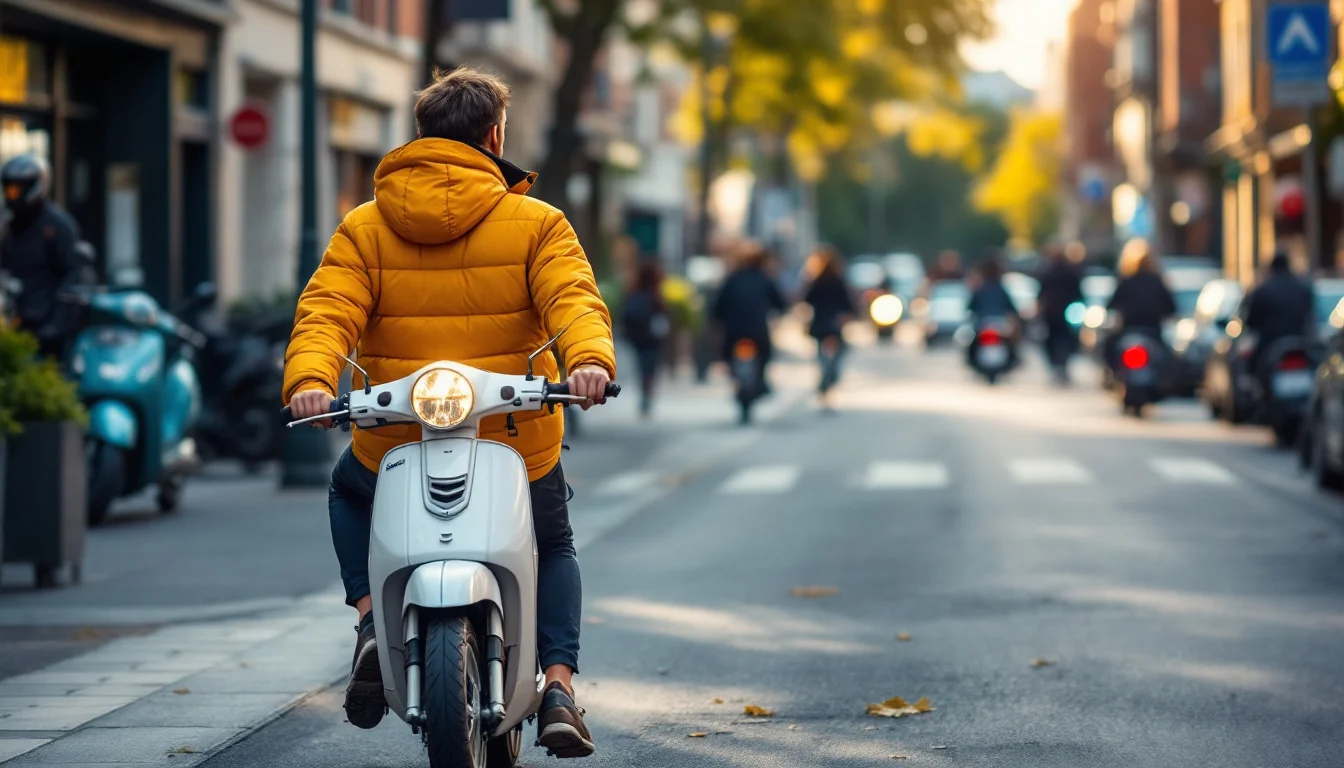
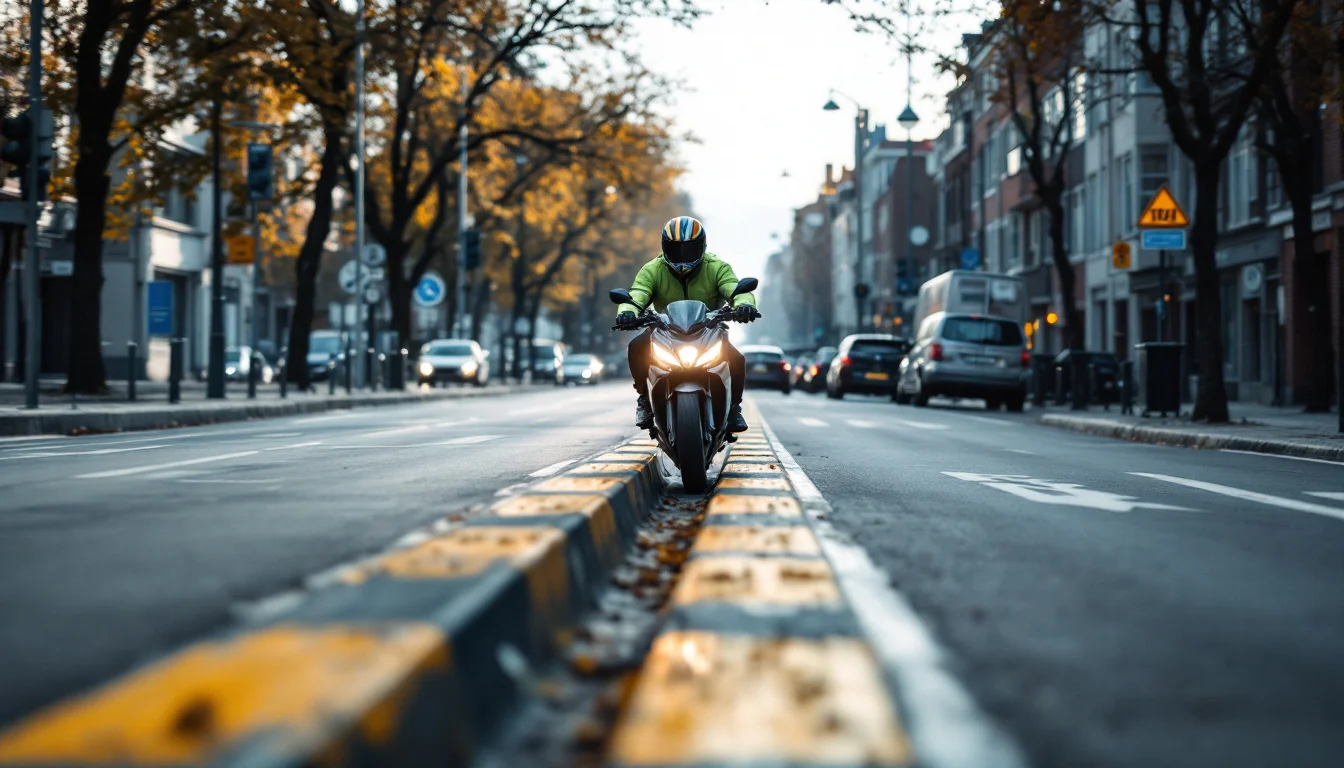
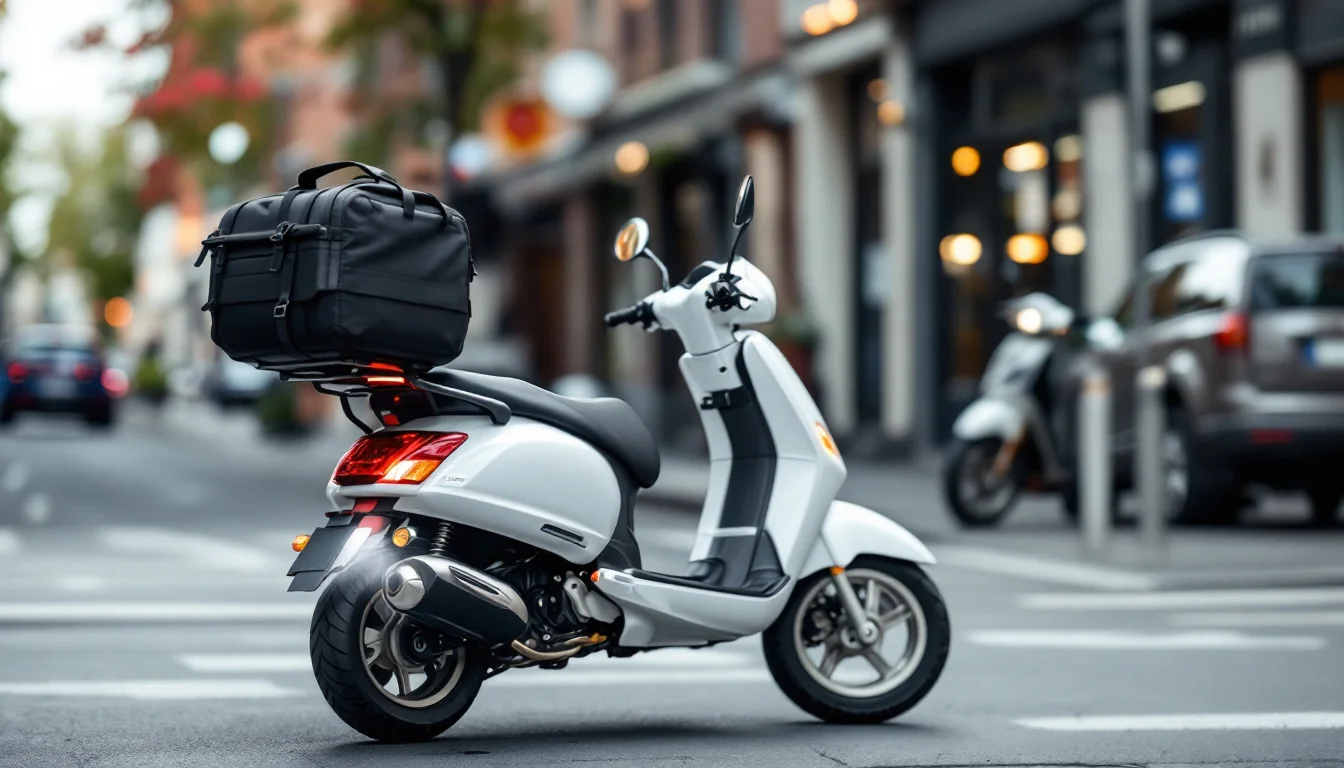
As summer sets in and the mercury rises, the daily commute can quickly turn into an ordeal. Right in the heart of a Belgian city, waiting at a red light on a two-wheeler (like a small 50cc scooter) subjects the rider to intense heat. The scorching asphalt radiates heat straight back up at the rider's legs, making urban riding particularly grueling.
Faced with this thermal discomfort, it is highly tempting to sacrifice protective gear just to catch a fleeting breeze. However, stripping down is rarely the right answer, nor is trapping yourself in heavy gear. Braving high temperatures in traffic jams is not just about enduring the elements; it is about putting together a truly climate-appropriate outfit.
By cleverly utilizing airflow, it is entirely possible to stay comfortable without ever compromising your safety on the tarmac.
Key Takeaways
Here are the core principles for riding cool in an urban environment:
- Ditch cotton base layers in favor of technical fabrics.
- Opt for breathable mesh to allow moving air to flow right through.
- Helmet vents: open them before heading out, and never ride at high speeds with the visor wide open.
- Monitor tire pressure: always check it when cold, following the manufacturer's recommendations, as the hot asphalt naturally increases internal tire pressure.
The "Riding Light" Illusion: Why a T-Shirt is a Heat Trap
When the temperature pushes past the limits of what is bearable, a commuter's first instinct is often to shed their jacket. Riding without proper gear might feel cooler initially, but it leaves you vulnerable to severe injuries, sunburn, dehydration, and intense fatigue. The wind hitting bare skin creates a false sense of coolness that actually accelerates the evaporation of body fluids, dehydrating you before you even realize it.
The Burden of Traditional Safety Gear
Conversely, sealing yourself inside winter gear—even with the lining removed—isn't the solution either. Heavy gear traps sweat, increases fatigue, and makes long rides significantly less enjoyable. This internal overheating diminishes a rider's concentration, posing a major risk factor in dense city traffic.
Fortunately, the dilemma of choosing between suffocating and risking your skin is a thing of the past. Modern summer riding gear is designed to help the body better regulate its temperature while still providing robust protection.
Overlooked Sun-Exposed Areas
Even when properly geared up, the urban rider still has chinks in their thermal armor. Certain areas remain exposed to the sun, such as the neck, wrists, or lower face. To counter this direct radiation, it is highly recommended to apply sunscreen before setting off, and potentially wear a lightweight neck tube that also shields against wind and insects.
| Clothing Approach | Protection | Airflow Generated | Dehydration Risk |
|---|---|---|---|
| Classic T-shirt | None (abrasion danger) | Direct (dries out the skin) | Very high (rapid fluid loss) |
| Standard textile jacket | Maximum (thick materials) | Blocked (internal greenhouse effect) | High (trapped sweat) |
| Mesh and technical textile combo | Maintained (integrated armor, though abrasion resistance is generally lower than solid textile) | Optimal and continuous | Low (well-managed moisture) |
Which Motorcycle Jacket Should You Wear in 35°C City Heat?
Heat management on a two-wheeler relies on a simple principle of physics: evaporation. For the body to cool down, sweat needs to evaporate efficiently. One of the biggest misconceptions about summer riding is that staying cool means wearing less gear. Experienced riders instead prioritize airflow, ventilation, moisture management, lighter constructions, technical fabrics, and flexible armor.
The Pivotal Role of Ventilated Panels
Mesh jackets are among the biggest trends in summer riding gear. Unlike heavy textile jackets, they actually let air flow through rather than trapping heat, which changes everything when you are on the move. The moment the scooter accelerates away from a green light, air sweeps right through the jacket, instantly cooling the torso.
A Common Base Layer Mistake
However, a ventilated jacket loses all its utility if the layer underneath blocks the process. Cotton traps sweat and stays damp. Wearing a basic cotton t-shirt under a mesh jacket is therefore entirely counterproductive. Conversely, moisture-wicking technical base layers made of synthetic fibers regulate body temperature far better during a summer commute. Thanks to their fabric structure, these garments pull sweat outward so it can evaporate, keeping the skin pleasantly dry.
The Urban Commuter's Trick: Integrated Protective Base Layers
For the professional riding a scooter to the office, changing outfits is often a barrier to wearing safe, protective gear. Showing up to a meeting lugging a heavy leather jacket isn't always practical. The industry has therefore flipped the armor paradigm on its head.
Invisible Protection
The solution lies in integrating safety as close to the body as possible. Protective base layers (like reinforced technical underwear) act as the actual motorcycle gear: the armor is worn underneath, abrasion-resistant fabrics are built directly into the layer, and the rider can wear casual clothing over the top.
This is a major advantage for hot-weather urban commutes. The commuter can simply throw lightweight civilian clothes (like a linen shirt or thin dress pants) straight over this protective mesh. Crucial airflow is maintained, the gear is completely discreet once you step off the bike, and the protective pads remain perfectly positioned in the event of a slide.
Extremities: Do Not Neglect Your Head, Hands, or Feet
While the torso often gets all of the rider's attention, the extremities bear the full brunt of intense urban heat.
Maintaining Clear, Cool Vision
The head is the first victim of soaring temperatures. You should never ride without a helmet or with the visor wide open at high speeds. Flipping your shield completely open exposes your eyes to debris and causes fatigue from wind noise and turbulence. It is far better to open the helmet's vents before riding and, if you frequently ride in hot weather, to invest in a highly ventilated helmet. Additionally, a tinted visor or an internal sun shield cuts down on glare, giving your retinas a rest on intensely bright days.
Mastering Your Grip and Footing in the City
The lower body and hands require a similar approach. Many riders focus entirely on their jacket and jeans while forgetting about their feet and hands, yet overheating feet and sweaty palms can completely ruin a ride. A slippery palm on the throttle or brake lever is a genuine hazard in the city.
To remedy this, investing in specific accessories is highly recommended. Summer boots with a breathable lining and perforated or mesh-paneled gloves boost airflow while retaining crucial grip and protection, ensuring flawless precision at the controls.
How to Avoid Dehydration on an Urban Commute
A heatwave places severe thermal stress on the body. Managing this heat demands a level of physiological foresight that many riders severely underestimate on their daily commutes.
Drink Before You Feel Thirsty
Continuous airflow masks fluid loss, making it vital to hydrate BEFORE you hit the road. If you only drink once thirst sets in, you are likely already dehydrated. This dehydration leads to slowed reflexes and heightened fatigue, which are exceptionally dangerous in dense traffic. Furthermore, heat exhaustion creeps up slowly; taking short breaks to cool off helps far more than most riders realize, even on a suburban commute of just a few dozen miles.
Mechanical Strain from the Tarmac
City asphalt acts as a massive heat sink during the summer. Scorching temperatures don't just tax the rider; they push the machine to its limits, too.
Before any summer ride, it is imperative to check several vital points:
- Coolant levels (to prevent engine overheating in traffic jams).
- Engine oil levels.
- The condition of the drive chain.
- Properly functioning lights.
Finally, tire pressure is a crucial factor, as heat naturally increases internal tire pressure while riding. It is paramount to check the pressure while the tires are cold, adhering strictly to the manufacturer's recommendations to guarantee the two-wheeler's road holding and braking performance.
FAQ: Riding a Two-Wheeler in the City During Summer
Do I really need specific gear for a 10-minute commute?
Yes, because road rash is unforgiving, even at 20 mph. A short urban commute often involves frequent stops at red lights, where the heat quickly becomes unbearable. A well-ventilated jacket and summer gloves guarantee proper protection without the suffocating thermal burden of heavy leather.Is breathable activewear suitable underneath motorcycle gear?
Technical fabrics designed for sports (like running or cycling) make excellent base layers. Their synthetic or natural fibers (such as merino wool) efficiently wick moisture outward. Paired with a ventilated jacket, they maximize evaporative cooling—provided they are completely cotton-free.What should I look for when buying a helmet for the summer?
Beyond having multiple vents, it is highly useful to check that the inner lining is removable, washable, and treated with an antibacterial finish. Managing sweat and glare is also greatly facilitated by a drop-down internal sun visor, which eliminates the need to awkwardly wedge sunglasses under your helmet.Conclusion
With the increasing frequency of heatwaves and the realities of climate change, thermal management on a two-wheeler goes far beyond personal comfort. The ability to maintain a stable core body temperature is an increasingly vital—yet often overlooked—safety issue. A lucid, focused, and dry rider can react much faster, whereas dehydration is directly linked to slowed reflexes when navigating the unpredictable nature of urban traffic. Textile innovation continues to push these boundaries, designing garments that actively aid in thermal regulation.