Urban Infrastructure and Two-Wheelers
Key Takeaways:
- Urban infrastructure plays a major role in the crash severity for motorized two-wheelers.
- Guidelines are being published to make road designs safer.
- Managing surface grip and installing lower motorcycle rails on guardrails are top safety priorities.
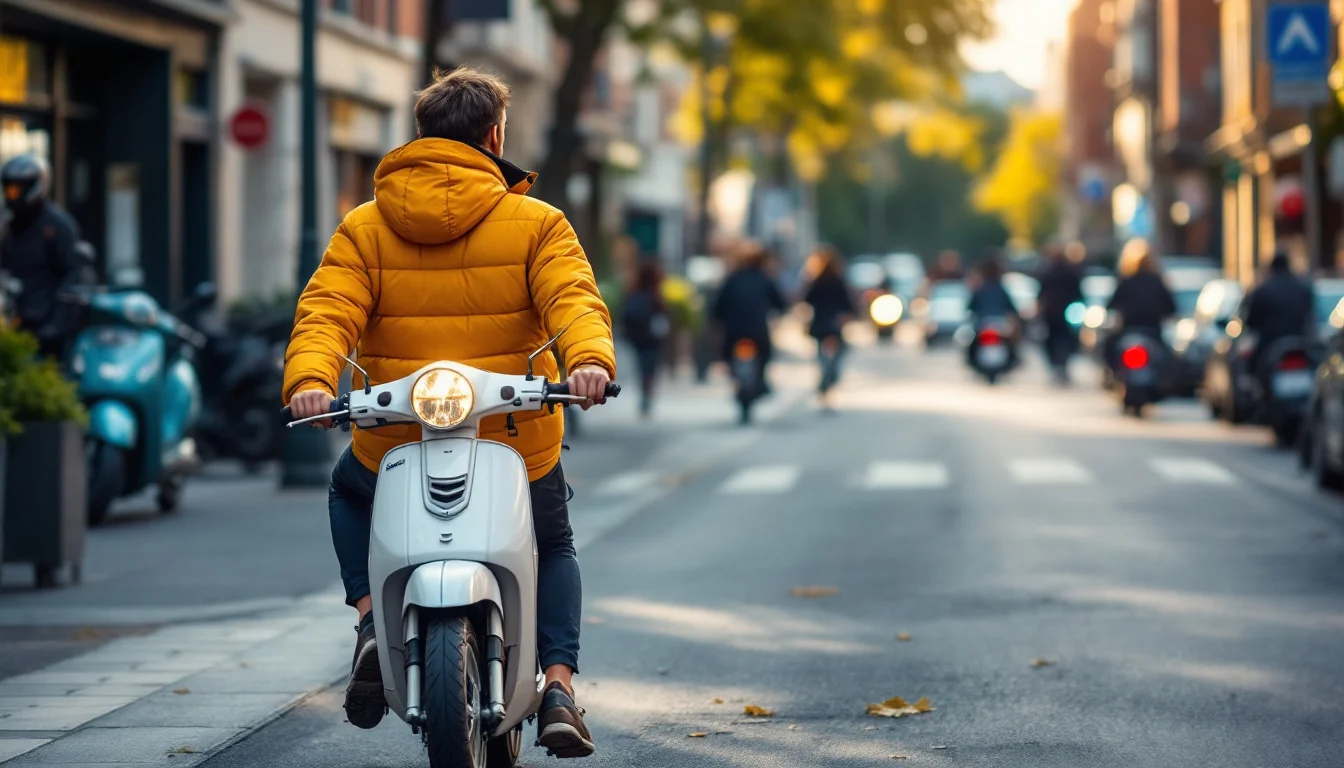
But this increased density comes with a human cost that urban planners can no longer ignore. The proportion of motorized two-wheeler riders injured in traffic accidents has risen in recent years, reflecting a genuine overexposure to risk compared to other modes of transport. Faced with this alarming trend, the very design of our roads is being called into question. Guidelines and recommendations are now being published to better accommodate these vehicles. The ultimate goal? For traffic engineering to stop treating you like an anomaly and finally consider you a fully-fledged design variable.
The Urban Mobility Paradox: Why Does Infrastructure Dictate Crash Severity?
Traffic calming has become a top priority for municipalities. To slow cars down, planners are multiplying chicanes, traffic islands, and lane narrowings. However, what makes a neighborhood safer for a pedestrian can quickly turn into a balancing trap for a rider. This is the ultimate paradox of modern urban design: conceived by and for automotive dynamics, it becomes hostile the moment you switch to two wheels.
To understand this disconnect, we have to go back to the laws of physics. Motorized two-wheelers have specific technical characteristics—ranging from vehicle and rider behavior, maneuverability, and road positioning to vulnerability and crash rates—that must absolutely be factored into infrastructure design to reduce accidents. You don't ride a scooter the way you drive a sedan. Motorcyclists adopt a completely different approach to navigating traffic: they sometimes deviate from trajectories that seem logical to drivers, shifting their lane position in corners to anticipate an apex or dodge debris.
The Road as an Aggravating Factor
While the road itself is rarely the initial cause of a spill, it is incredibly unforgiving once you lose control. According to statistical data, infrastructure plays a minor role in actually causing motorcycle accidents, but it plays a highly significant role in the consequences of a crash. In other words, road design doesn't necessarily trigger the slide, but it dictates whether that slide ends with scratched fairings or severe injuries. A poorly placed curb in the middle of a corner can turn a mild misjudgment into a devastating impact.
Which Grip Hazards Should Be Prioritized (Drains, Joints, and Curbs)?
The contact patch of your tires boils down to a notoriously small surface area. This is why grip, and consequently the road surface itself, is paramount for motorcyclists. Balance and stability are constant concerns, and braking technique must be flawlessly executed. A sudden loss of traction guarantees a front-end washout.
To mitigate these risks, the following surface elements must be prioritized:
- Structural Connections: Bridge expansion joints are recognized as a critical vulnerability for two-wheelers. These metal strips become exceptionally slick in the rain, destabilizing the steering as you ride over them.
- Runoff Drainage: The placement of storm drains and access covers requires careful planning, directly tied to maintenance strategies. Whether sunken or protruding, these surface elements disrupt a two-wheeler's suspension and alter its trajectory.
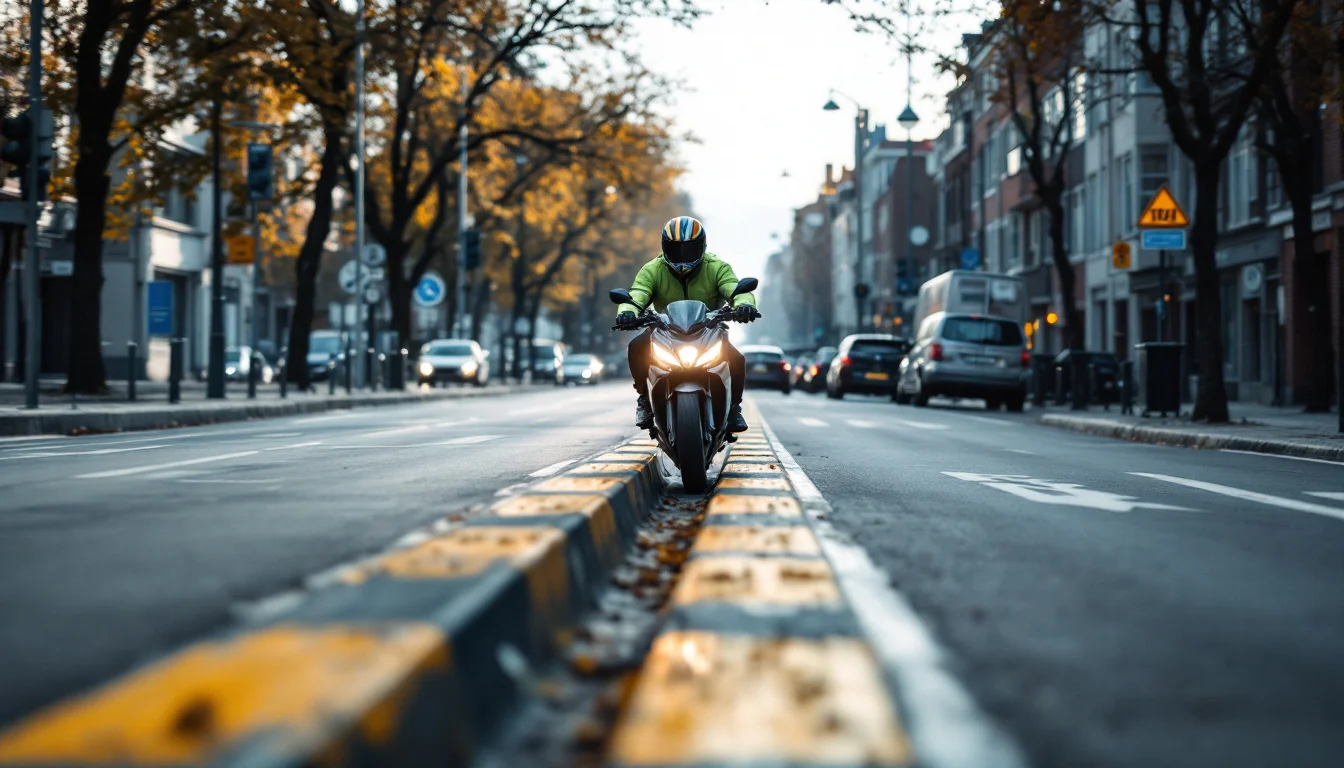
- Traffic Separators: To prevent the front wheel from levering up or catching abruptly during a swerve, low or chamfered (beveled) curbs are highly recommended—especially around traffic islands—to ensure rider safety.
Restraint Systems: How to Standardize Motorcycle Rails Against the "Guillotine Effect"?
Running off the road is a major concern for any rider. Out in the country or on major suburban arteries, the edges of the roadway must offer a safe run-off zone. Shoulder treatments should ideally include a paved, vegetation-free surface with no steep drop-offs, limiting the consequences of a two-wheeler leaving the road.
However, when the shoulder drops sharply or presents a severe hazard, installing metal crash barriers becomes inevitable. Historically, these guardrails were designed to contain a ton of steel rolling on four wheels, not to cushion a sliding human body. The exposed support posts can inflict catastrophic injuries on the limbs of a downed rider colliding with them.
Lower Screens as a Survival Standard
To mitigate this fatal hazard, updated protocols now require the installation of adapted safety barriers, specifically engineered to protect a motorcyclist's body from massive trauma upon impacting the restraint system.
In practice, one of the key on-the-ground interventions is adding "motorcycle rails" beneath standard guardrails. This continuous lower screen, installed flush with the ground, prevents the rider's body from sliding under the primary barrier and striking the vertical posts. It's a simple engineering tweak, yet absolutely vital for rider safety.
Shared Roads: How Does Vertical Signage Regulate Urban Coexistence?
The city of tomorrow promotes mixed-use spaces, creating areas where traditional traffic laws give way to shared-road principles. But for you, behind the handlebars, this apparent deregulation demands ten times the mental load. Within a shared zone, pedestrians are allowed to walk anywhere on the roadway and have absolute right-of-way over all vehicles (with the sole exception of trams). Furthermore, in these same areas, cyclists are granted default two-way access, even if the street is one-way for cars and motorcycles.
Managing the Chaos
As a result, you find yourself having to anticipate jaywalking pedestrians while keeping an eye out for bicycles coming against traffic on your left. In the face of this complexity, road signs are your only reliable reference point. A shared road simply cannot function without extremely clear and legible signage.
In this fluid environment, establishing a hierarchy of spaces and right-of-way must start with rigorous vertical signage. Without it, sharing the road becomes untenable for two-wheeler riders.
Conclusion
The evolution of road engineering proves that the vulnerability of motorcyclists and scooter riders is no longer viewed as an inevitable peril of riding, but rather as a crucial variable in urban design.